

Ode to Summer
Small seaside towns to while away sunny summer days with no agenda
I just returned from two weeks in Italy, first leading a small-group craft trip before a whirlwind research and photo tour of artisan workshops for my upcoming book, Italy by Hand. Research needs led me from Puglia through Molise and in and out of artisan workshops in Venice, Milan and Rome. It was a brutal pace, and by the time we ticked off our very last stop, I was mercilessly reminded of the many reasons to avoid European cities in the summer—the intense heat! the inflated prices! the insane crowds! And it’s not even summer solstice yet.
In the name of dialing back the energy this week, here’s a collection of coastal do-nothing destinations, perfect for whiling away long summer days with a spot on the sand and a lovely breeze. While we’ve written about a great many of these places in the past, they are not always available to our free subscribers. So in an effort to share this info with all our readers—all in one spot—you’ll find a list of special seaside towns and hotels to slow down your summer itinerary. Only paid subscribers can click through to read the full stories, but snippets of inspiration will point you in the right direction.
It’s not too late to scoop up a last-minute ticket and make a beeline for the coast. And OF COURSE, most will have a craft-oriented asterisk, in case you find the energy to lift your feet off the sand.
CADAQUES, SPAIN
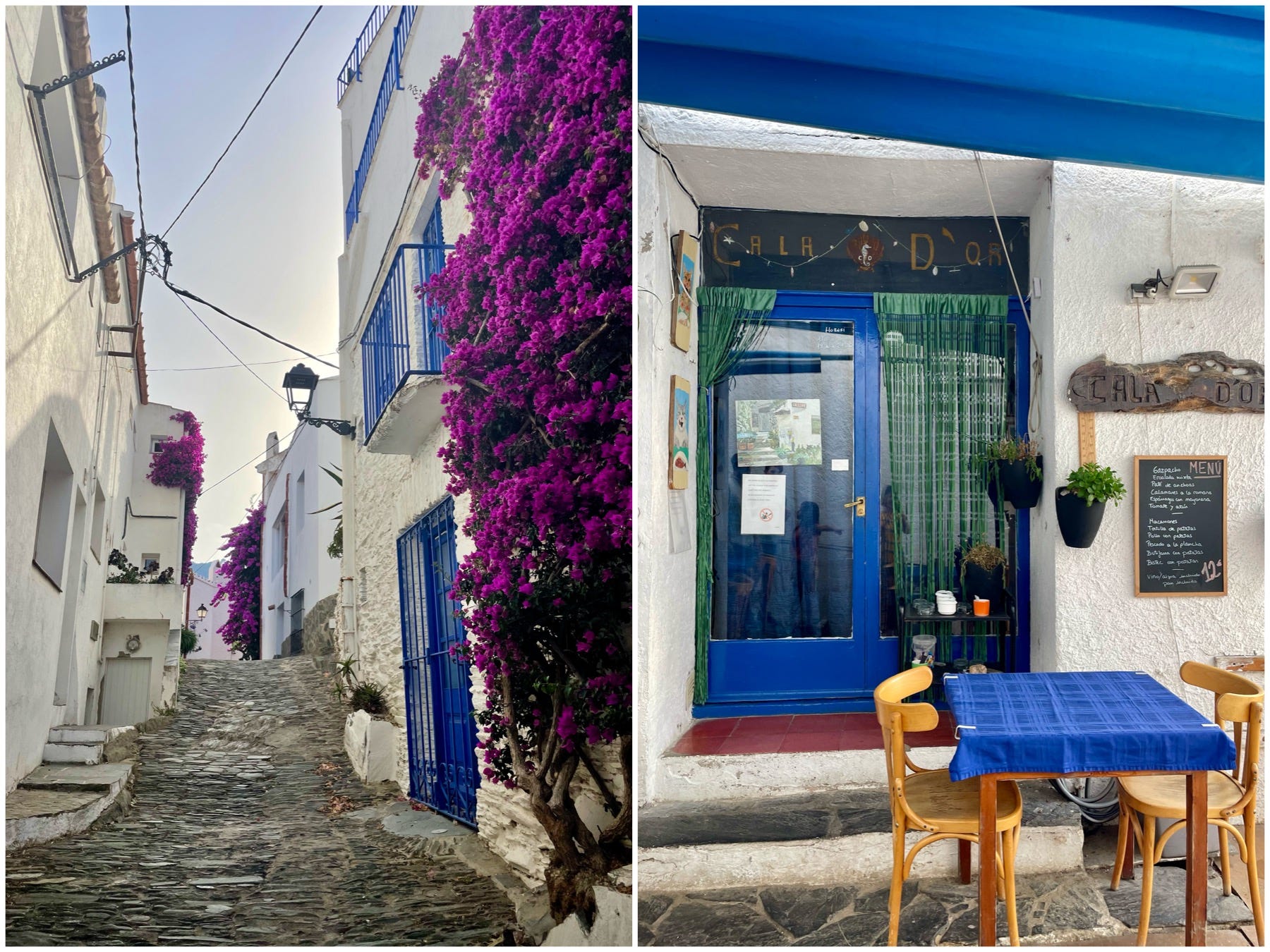
Favorite town on the Costa Brava for its white-washed charm, who’s-who history of 20th-century artists and creative beach town vibe. L’Escala for Empuries, its 6th-century BC Greek and Roman ruins. Cap Crues for the obligatory Dali pilgrimage and otherworldly hikes.
Where to stay: Highly recommend this perfect three-bedroom apartment with a lovely terrace and views of the sea. If you prefer a hotel, I’ve heard nothing but rave reviews about Casa Nereta, a 12-room guesthouse/former home of surrealist artist Joan Ponç (friend of Dalí).
Read about visiting Salvadore Dalí‘s madcap house museum »
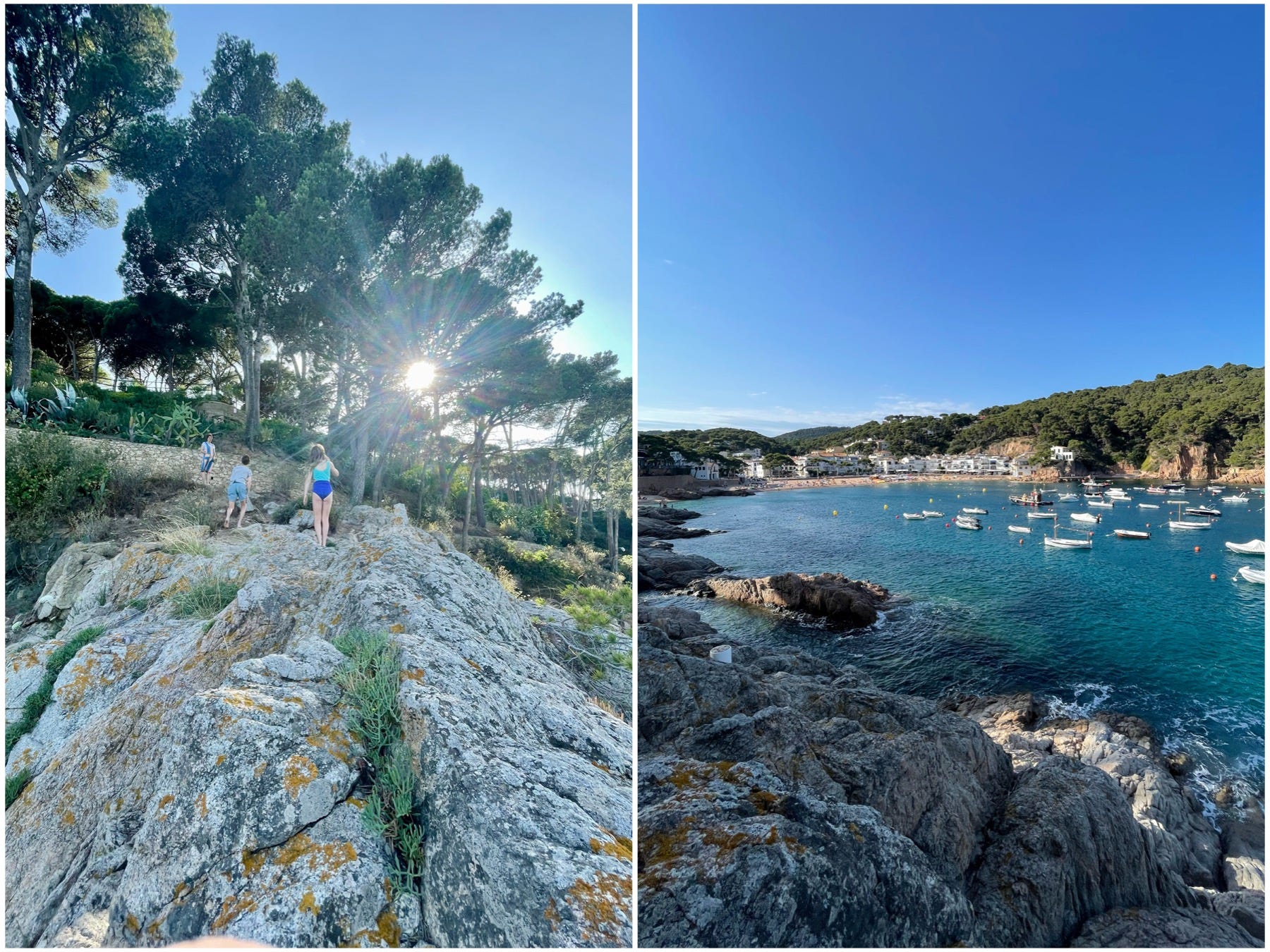
A broader purview of the same sublime stretch sublime stretch of rugged coast with a vast network of coastline-hugging trails, stringing together villages, pristine beaches and hidden coves. Yes, it’s busy in the summer, but still a superabundance of quiet corners, lightly traveled trails, and a surprisingly laid-back beach scene with teenagers playing on the sand and old men sunning themselves on rocks.
Where to stay: La Bionda, the beautiful new-ish eight-room hotel where designers Quintana Partners play with color, tile and terra cotta to creatively and sustainably reinvent a former 17th century residence in the center of Begur. But maybe better for adults. If you have kiddos or a large group, this lovely old stone relic on Airbnb comes with plenty of outdoor space and a pool straight out of Grey Gardens.
Read about the beach-to-trail hiking »
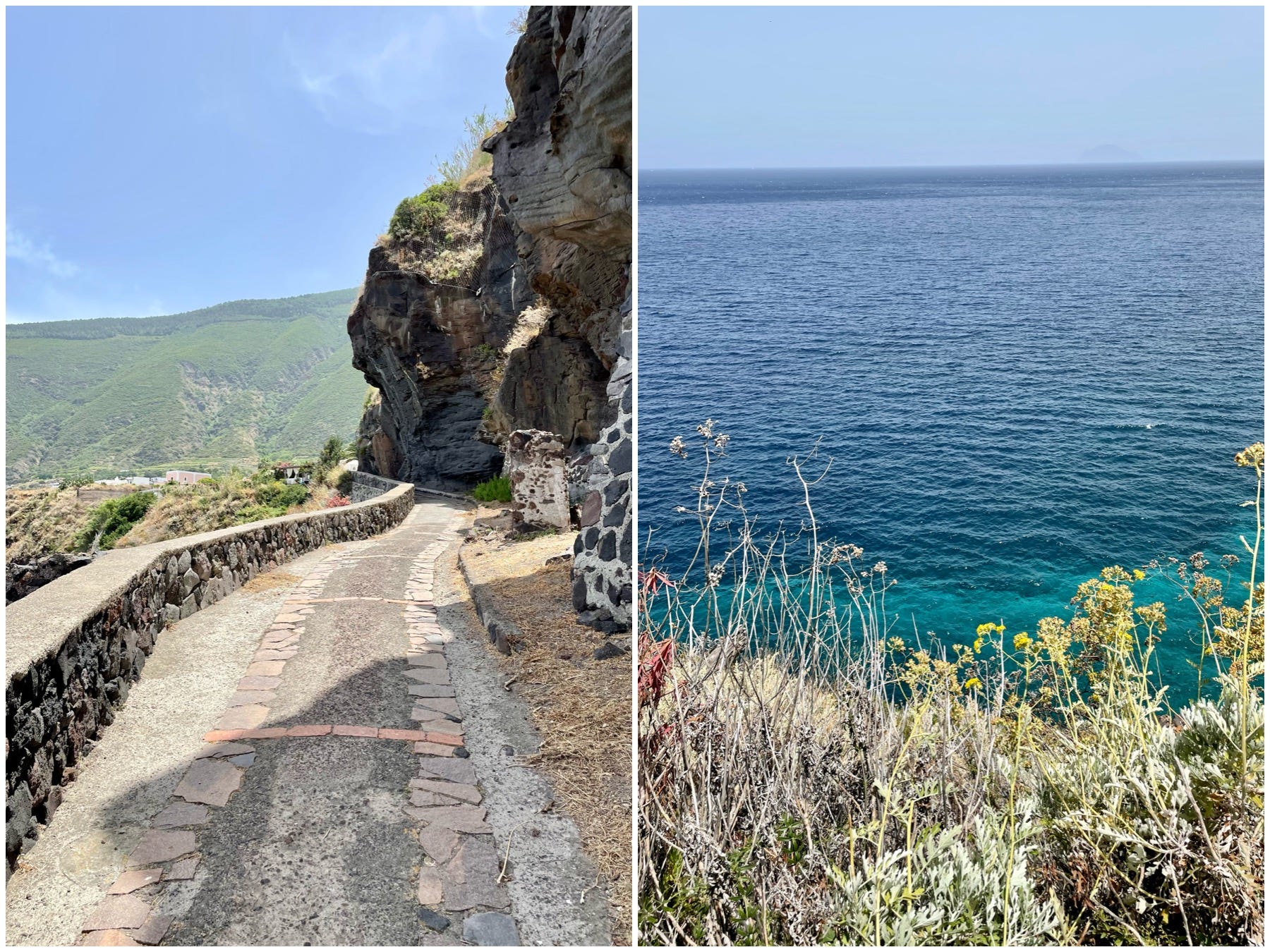
You don’t need much time on this island to fall under its spell—lemons falling from trees, capers spilling out of stone crevices, kids playing soccer on the town square with a view of the sea. The villages are small and colorful—exuberant against the backdrop of the lush green mountains. Salina is considered the Aeolian’s garden island, after all. The simplicity of the place is its superpower, and there is, blissfully, very little to do.
Where to stay: There are plenty of sweet mom-and-pop seaside hotels tucked inconspicuously across the island, but the family-run Hotel Signum is a standout with its Michelin Star restaurant (helmed by the owners’ daughter), lime-washed buildings, eclectic and effortlessly chic interiors with a dash of buttoned-up Sicilian charm, and perfect location a few hairpin curves from the Malfa port. We went in the slower month of June instead of July/August and paid less than half of current high-season rates. And a confession: we never even ate in the Michelin star-restaurant, aside from the lovely morning breakfast, because it felt fussy with kids, and the more casual menu at the terrace bar comes from the same kitchen for a fraction of the cost (and courses). Plus the eternity views from our favorite outdoor corner table, leaning over the mountainside, were impossible to resist.
Read more about doing nothing in Salina »
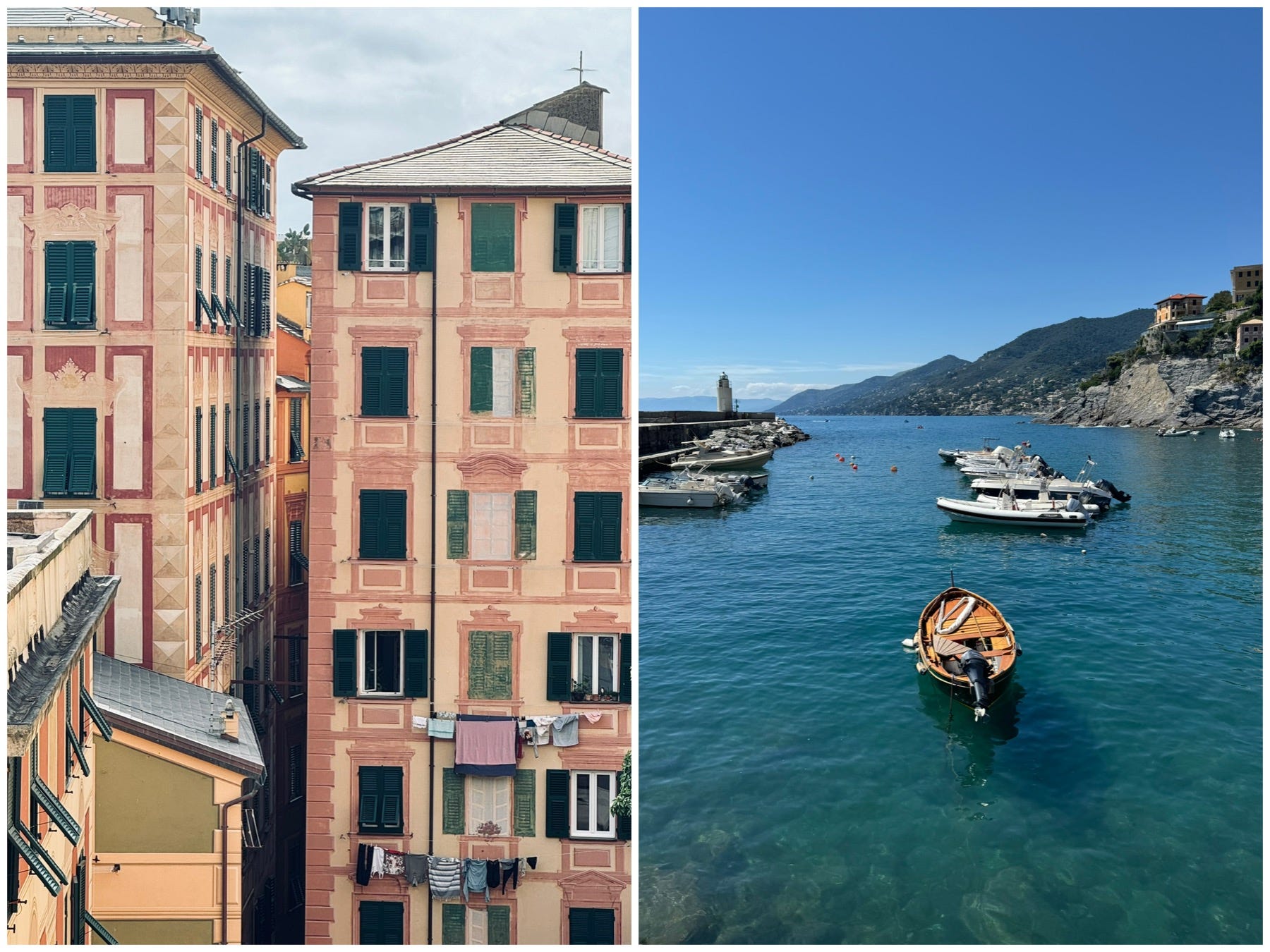
Because this beautiful Italian seaside vacation town / pastel labyrinth somehow—against all predictable odds—is not completely overrun with tourists. Yes it’s busy, but Camogli still vibrates with the thrum of real life. Thank heavens, it’s decidedly unfussy and, like a lost time capsule, still blessedly full of fishermen, independent shops, family-owned restaurants, and craftspeople plying their trades. Once you’ve explored the seaside promenade and its narrow labyrinthine streets, there’s not much left to do but find a spot on the pebbly beach under an umbrella with a slice of focaccia tucked into your beach bag, enjoy the view, and jump into the shimmering sea.
Where to stay: Cenobio dei Doge is the kind of classic Italian hotel that hasn’t been updated in 30 years, and that’s exactly the point. Families return year after year, often booking the following summer the day they leave. Perched directly above the sea with a series of cliff-cascading balconies and stairs leading down to the beach. Or, try Villa Rosmarino, a smaller option tucked into the hills above town with only five rooms and a 15-minute walk into Camogli.
Why Camogli is our favorite town on the Ligurian Coast »
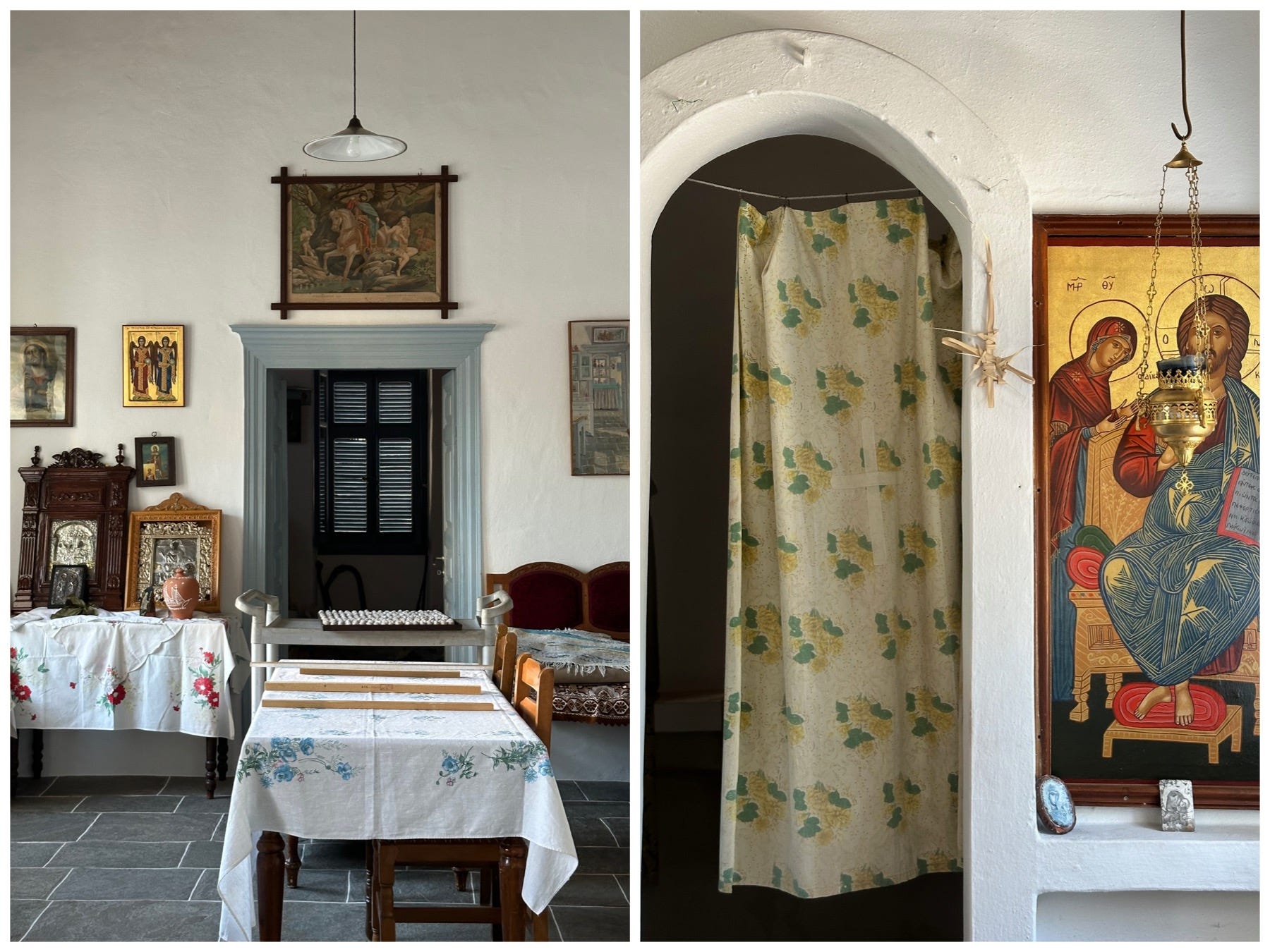
At first glance, it might be difficult to discern the differences between the many beautiful Cyclades islands in the Aegean. Whitewashed churches against a sparkling turquoise sea; charming ancient seaside villages where bougainvillea knows no bounds; aromatic wild scrub with rosemary and thyme; capers growing from every crack; endless sunshine. Sifnos has all of the above, but like anywhere with thousands of years of history, scratching the surface reveals a deeper story. In Sifnos, that story is centered around a longstanding tradition of pottery.
Where to stay: Built in the middle of the 19th century by a local shipping family, the Psacharopoulos House is still owned by the same family (ship owners, musicians, journalists and a theatre director)— and they’ve hardly changed a thing. Neoclassical blended with local architectural elements, plus a sprawling front terrace with views of the sea, the olive trees and the ancient pines. The interiors are full of original antiques and the family’s personal collections, including shelves of local pottery.
Read about the pottery scene »
TINOS, GREECE
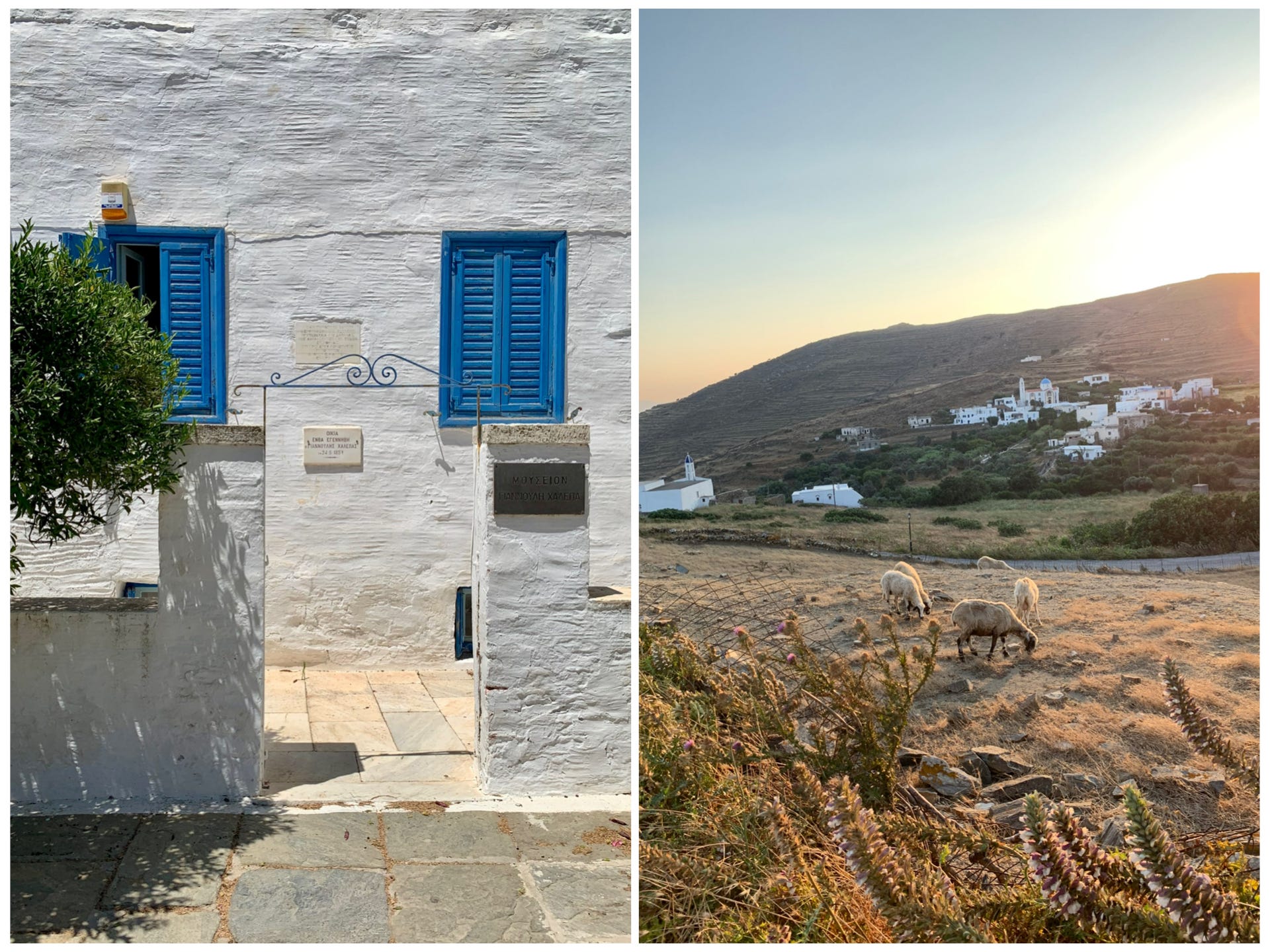
That it’s a relatively small-ish island in the Cyclades is surprising, considering it’s home to more than 50 villages (one dedicated to marble, another to basketweaving). You can crisscross the island in every direction in the span of an hour, as long as you don’t get queasy from hairpin turns and narrow, shoulder-less roads with vertiginous views over cliff sides. From some points, you can see Mykonos across the Aegean, yet it feels a million miles away in spirit. Same cerulean sea, same wild, wind-sculpted landscape covered in scrub, wild herbs and wandering goats—but this island, still not (yet) overrun with tourists or cruise ships—has been left gloriously unspoiled with a lost-in-time feel.
Where to stay: The best way to experience Tinos is to rent a house. We loved Villa Tripotamos—a traditional house renovated by a brother-sister architecture team—for its spacious and charming courtyard and patio with a pool and outdoor kitchen.
Read about Tinos’ marble and basketweaving villages »
MAJORCA, SPAIN
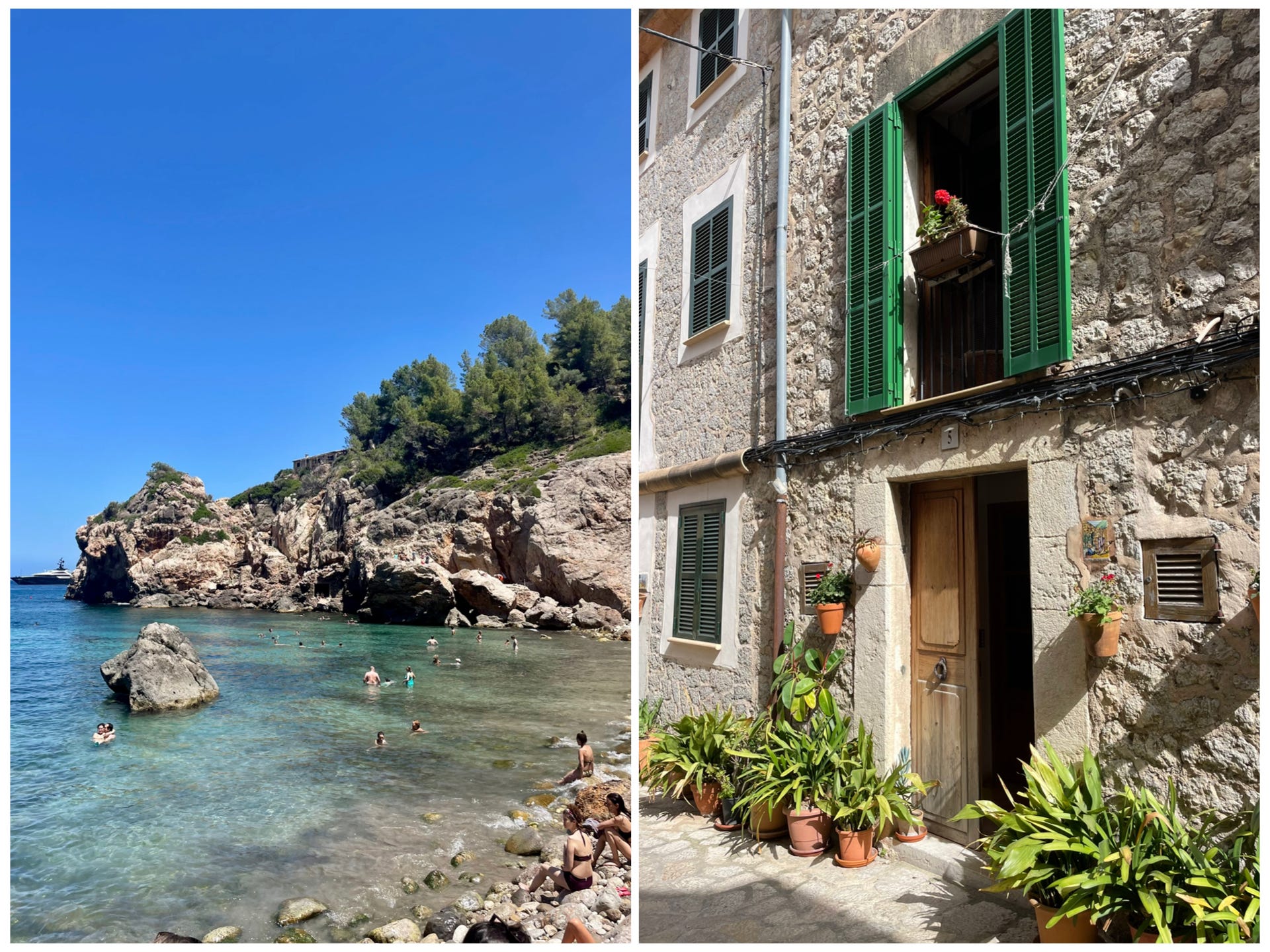
The biggest of the Balearic Islands, Majorca has been attracting writers and artists seeking solitude, beauty and inspiration for the past 100-plus years, leaving a paper trail of creative genius in its wake—the stuff of great books, poetry, preludes and paintings. Known among tourists for its charming stone mountain villages, ancient terraced olive groves and the sea in every direction, there’s a deeper gravitational pull for the traveler of the mind, all these years later, luring us back to this once rugged, remote island where Robert Graves wrote more than 100 books and Joan Miró covered his walls in charcoal drawings. If you can resist the artist house museums, you’ll be more than happy by the sea or tucked into one of the beautiful stone homes in the
Where to stay: The beautiful stone house we rented just outside the village of Valldemossa felt gloriously remote, but was only a 10-minute walk to town along a rarely used dirt path. Inside, traditional simple interiors with pine wood furniture and terracotta tiles floors; outside, various distinct outdoor seating areas and dining alcoves; a large, much-appreciated pool; and fruit/olive trees in a terraced grove— all of it framed by a dramatic backdrop of the surrounding Tramatura mountains.
Read about Majorca as litarary/arts pilgrimage »
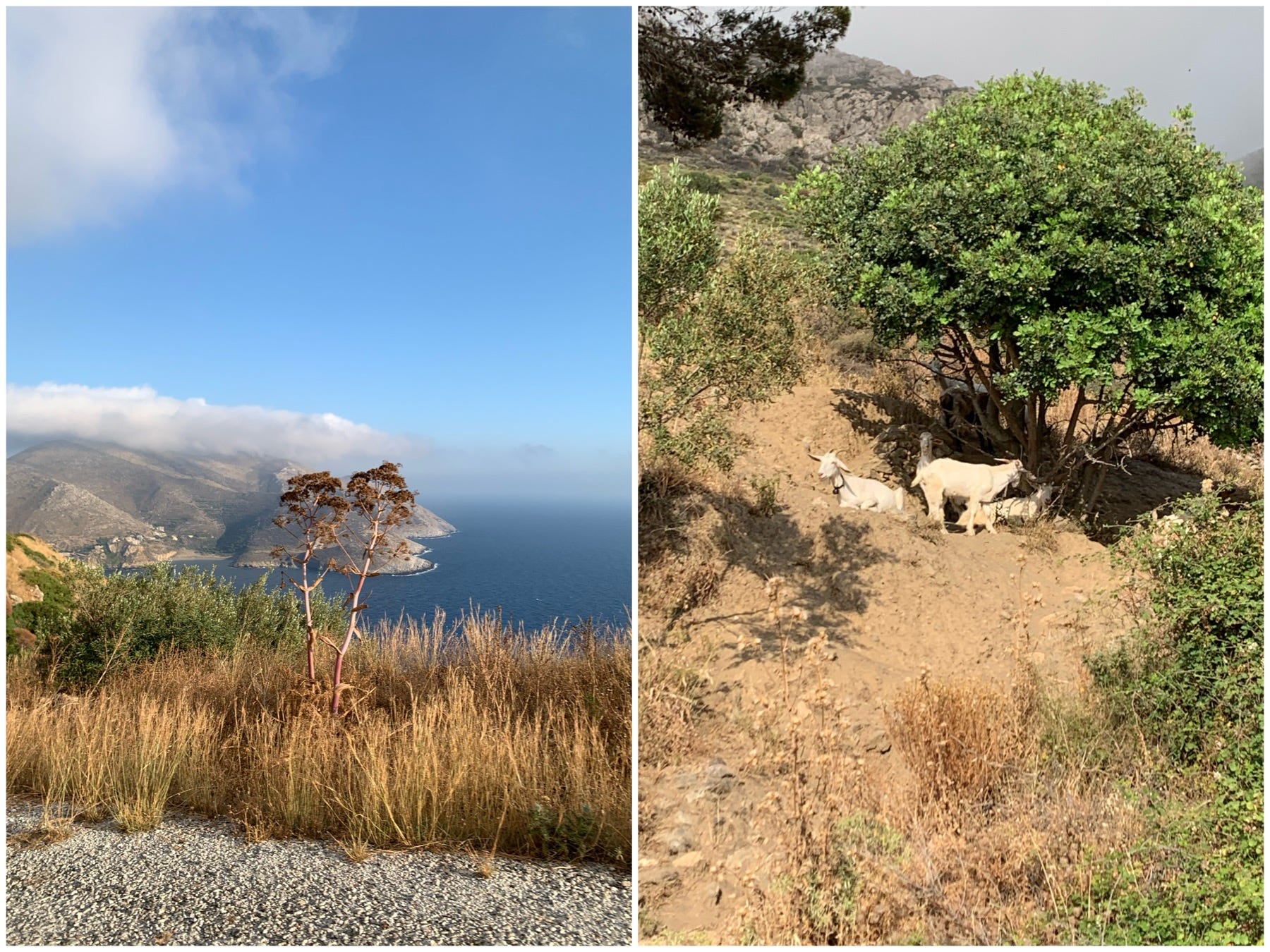
We went for the ancient sites, but there’s no rule that you can’t come to the Mani Peninsula just for the sublime beaches. In the Mani, where the rustic charm of old Greece is all around—hard-scrabble terrain, prickly pear, goat crossings, ghost hill towns, ancient towers, and crumbling stone buildings/ruins—the beaches are empty and the small villages are full of fish tavernas. We had about a week to play with, but spent more time than likely necessary at the southernmost tip enjoying the slow pace.
Where to stay: We started our trip at the southern end of the Deep Mani, staying at the historical Kyrimai—a beautiful stone hotel right at the water’s edge with large, comfortable rooms, an incredible pool set-up, and a sense of tradition and history in tact.